
Compare Local Contractors for Quality Furniture Repair Services
Compare local contractors for furniture repair to define project scope, verify experience, and set clear expectations for a successful restoration.
Furniture repair services typically encompass a range of work aimed at restoring or improving various types of furniture. This can include fixing broken or damaged parts, repairing scratches and dents, reupholstering cushions, refinishing surfaces, and replacing hardware or components. Whether dealing with antique pieces, modern furniture, or custom-built items, these contractors have the skills to address issues that affect both the appearance and functionality of furniture pieces. Clarifying the scope of work with potential service providers helps ensure that repairs meet specific needs and that expectations are aligned before work begins.
Defining the scope of furniture repair projects is an important step in selecting the right contractor. A clear description of the work needed helps avoid misunderstandings and ensures that contractors can provide accurate assessments of their capabilities. Detailed information about the furniture’s condition, materials involved, and desired outcomes allows property owners to compare service providers effectively. When scope is well-defined and documented in writing, it provides a reference point for any questions or adjustments that may arise during the repair process, fostering transparency and reducing the risk of miscommunication.
Property owners can compare local contractors by examining their experience with similar furniture types and repair techniques. It’s helpful to review the services each provider offers and verify their familiarity with specific materials or styles relevant to the furniture needing repair. Asking for references or examples of completed work can provide insight into a contractor’s expertise and quality standards. Additionally, reviewing written descriptions of the scope of work, along with any warranty or guarantee policies, enables property owners to make informed decisions and select service providers that are well-suited to handle their furniture repair needs with confidence.
Compare local contractors by outlining your project priorities, verifying experience, and setting clear expectations in writing.
- Verify Experience - Ensure contractors have relevant experience in furniture repair to meet project requirements.
- Define Scope Clearly - Clearly outline the repair work to set accurate expectations and prevent misunderstandings.
- Compare Local Contractors - Review multiple service providers to find those with suitable expertise and reputation.
- Document Details in Writing - Keep all project scope, expectations, and agreements documented for clarity and accountability.

Clearly describe your furniture repair project to help local contractors compare options and set clear expectations.
- Assess the contractor’s experience with repairing the specific type of furniture needing attention. Verify that the scope of work is clearly defined and documented in writing before work begins. Compare multiple service providers to ensure consistency in their approach and expertise. Confirm that the contractor uses appropriate techniques and materials suitable for the furniture’s material and condition. Check for references or reviews to gauge the quality of past furniture repair projects completed by the contractor. Ensure that the repair plan includes a detailed description of the work to be performed and expected outcomes.
Compare local contractors, clarify your project scope, verify experience, and set clear expectations in writing.
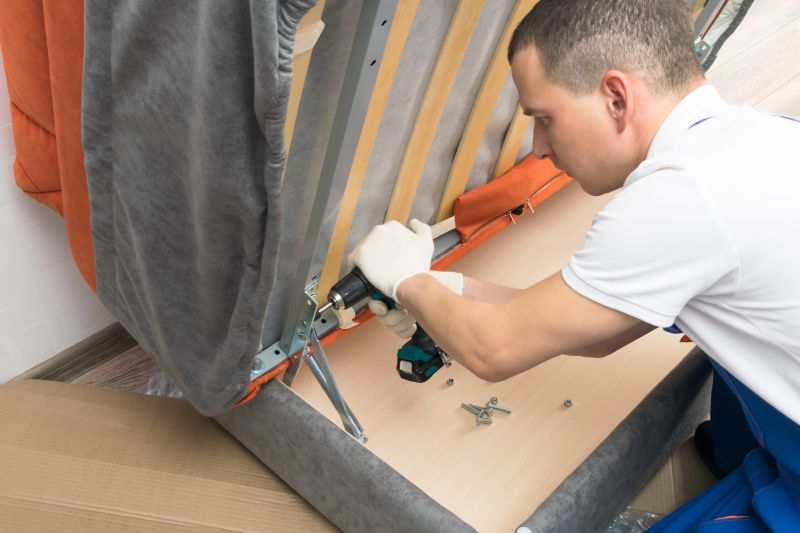

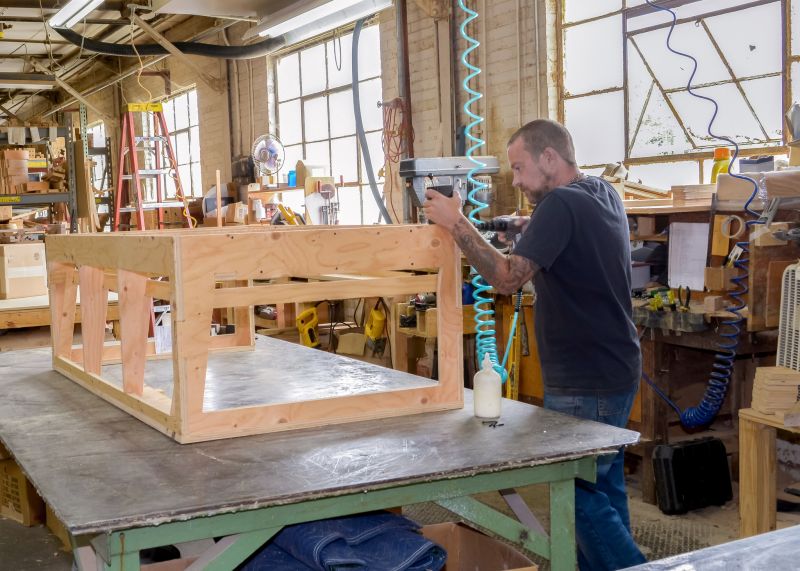

Compare local contractors’ scope definitions and experience to ensure consistent expectations across furniture repair providers.
- Scope Definition - Clearly outline the specific furniture pieces and repair tasks needed to guide contractor selection.
- Experience Verification - Confirm that local service providers have relevant experience with the type of furniture requiring repair.
- Material and Technique Clarification - Specify preferred materials or repair techniques to ensure consistency and quality.
- Work Description in Writing - Document the scope of work, materials, and expectations to prevent misunderstandings.
- Comparison of Service Providers - Evaluate local contractors based on experience, scope clarity, and approach to find the best match.
When comparing contractors for furniture repair, it's important to evaluate their experience with similar projects. Inquire about the types of furniture they have repaired in the past and whether they have handled pieces made from the same materials or with comparable finishes. Contractors with a proven track record working on comparable furniture are more likely to understand the nuances of different restoration techniques and be familiar with the specific challenges that may arise. This experience can help ensure that the repair work aligns with the furniture’s construction and aesthetic requirements.
A clear, written scope of work is essential when assessing potential service providers. A detailed description of the repair process, including the specific tasks to be performed, materials to be used, and any limitations, helps set expectations and provides a basis for comparison. Avoid contractors who provide vague or overly general descriptions, as these can lead to misunderstandings or unmet expectations. Having a well-defined scope documented in writing ensures everyone is on the same page and can serve as a reference throughout the project.
Verification basics are key to selecting reliable furniture repair contractors. Confirm that the service providers have appropriate experience with the types of repairs needed and ask for references or examples of previous work. While formal licensing or certification may not be required, seeking out reviews or testimonials can provide insights into their reputation and quality of work. Additionally, verifying that the contractor has appropriate insurance coverage, if applicable, can help protect against potential liabilities. These verification steps contribute to making an informed decision based on a contractor’s credibility and track record.
Evaluating options without focusing on prices involves considering the quality of service and the clarity of communication. Look for service providers who offer comprehensive information about their approach and are willing to answer questions about their process. Comparing how each contractor defines the scope, their experience with similar projects, and their communication style can help identify the most suitable partner for the repair work. Remember, selecting a furniture repair contractor should be based on their expertise, transparency, and ability to meet the project’s needs, rather than solely on cost considerations.
Ask service providers to provide written scope details to ensure clear expectations and consistent project understanding.
- Experience and Specialization - What specific furniture types and repair techniques do the service providers have experience with?
- Scope of Work - How clearly do contractors define the extent of repairs and restoration in their proposals?
- Materials and Methods - What materials and repair methods do local contractors plan to use, and how do they ensure compatibility?
- Previous Work and References - Can the service providers provide examples or references of similar furniture repairs they have completed?
- Warranty and Guarantees - How do local contractors address warranties or guarantees for their repair work to set clear expectations?
How can I compare contractors for furniture repair? To compare service providers, review their experience, scope of work, and customer feedback, and ensure their services align with the specific repair needs.
What should I specify when defining the scope of furniture repair? Clearly outline the furniture pieces involved, the type of repairs needed, and any particular materials or finishes desired to set clear expectations.
How can I verify a contractor's experience with furniture repair? Ask service providers about their previous projects, request references if available, and review any portfolios or descriptions of similar work they've completed.
What is important to include in a written agreement with a furniture repair contractor? Document the scope of work, materials to be used, project expectations, and any agreed-upon deliverables to ensure clarity and mutual understanding.
How do I ensure the contractor understands my furniture repair needs? Communicate detailed descriptions of the repairs, show examples if possible, and confirm that the scope and expectations are agreed upon in writing.
Why is it helpful to ask about a contractor's experience before hiring? Understanding their background helps ensure they have the skills and knowledge necessary to handle the specific furniture repair requirements effectively.
This page has provided an overview of how to connect with skilled contractors for furniture repair, including tips on defining the scope of work, verifying experience, and setting clear expectations in writing. Visitors now have a better understanding of the key factors to consider when comparing local service providers to find the right fit for their project. To explore and compare options in the area, using the quote form can help identify local contractors who are prepared to handle the job effectively.
By taking a few moments to complete the quote form, visitors can access a selection of local contractors experienced in furniture repair. This process makes it easier to review different options, understand each service provider’s approach, and make informed decisions based on the information gathered. Connecting with qualified local contractors through this method can help ensure the project is managed smoothly and in line with personal expectations.